

tempered laminated glass price
Understanding Pin Gauge Measurement Principles and Applications Pin gauge measurement is a widely used technique in various engineering and manufacturing domains, providing precise dimensions essential for quality control and product integrity. Pin gauges, also known as pin measuring tools, consist of a series of cylindrical pins of known diameter that are used to measure hole sizes, gaps, and clearances with exceptional accuracy. This article delves into the principles, applications, and advantages of pin gauge measurement. Principles of Pin Gauge Measurement The fundamental principle behind pin gauges is their ability to compare unknown dimensions against known standards. Each pin gauge is manufactured to exact specifications, with each pin's diameter representing a specific measurement. These gauges are typically categorized into two main types go and no-go pins. - Go Pins These pins are designed to fit into a hole or gap, confirming that the measured space is within the acceptable tolerance range. - No-Go Pins Conversely, these pins are designed to be larger than the specified dimension. If the no-go pin fits, it indicates that the hole or gap is too large and exceeds the maximum allowable limit. Together, these gauges provide a simple yet effective way to ensure that manufactured parts meet predetermined specifications. Applications of Pin Gauge Measurement Pin gauges are extensively utilized in industries such as automotive, aerospace, and precision engineering, where dimensional accuracy is critical. Their applications include, but are not limited to 1. Inspection of Hole Sizes Pin gauges are used to measure the diameters of holes in various components, ensuring they meet design specifications. For instance, in engine manufacturing, accuracy in hole sizes is vital for proper assembly and performance. 2. Quality Control Regular use of pin gauges in quality control processes helps maintain product standards. By consistently verifying measurements, manufacturers can reduce defects and improve overall reliability. 3. Calibration of Machines Manufacturers often use pin gauges to calibrate machines that produce or utilize pre-machined components. This ensures that the equipment is functioning correctly and producing parts within the desired tolerance levels. pin gauge measurement 4. Tooling and Fixture Design Designers utilize pin gauges in the tooling process to create fixtures that hold components securely in place during production, further enhancing accuracy . Advantages of Pin Gauge Measurement The use of pin gauges offers several advantages that contribute to their popularity in precision measurement - High Precision Pin gauges provide highly precise measurements, essential for industries where even minor deviations can lead to significant issues. - Ease of Use Their straightforward design makes pin gauges easy to use, requiring minimal training for operators. This accessibility allows for quick measurements without the need for complex setups. - Durability Made from high-quality materials, pin gauges are durable and resist wear, providing longevity and reliability in a manufacturing environment. - Cost-Effective Compared to other measurement tools, pin gauges are relatively inexpensive, making them a cost-effective choice for manufacturers. - Versatility Pin gauges are available in a range of sizes and can be used in various applications, making them versatile tools in a measurement toolkit. Conclusion Pin gauge measurement is an integral part of the manufacturing process, ensuring that components meet required specifications and tolerances. By utilizing both go and no-go gauges, manufacturers can easily assess whether parts are within the desired limits, facilitating quality control and reducing the likelihood of defects. As industries continue to prioritize precision, the relevance of pin gauge measurement will undoubtedly endure, solidifying its place as a fundamental tool in engineering and manufacturing. Understanding its principles, applications, and advantages enables professionals to utilize pin gauges effectively, contributing to the overall success and reliability of their operations.
about
tempered laminated glass price
The Importance of Cast Iron Inspection Surface Plates in Quality Control In the realm of manufacturing and precision engineering, quality control is paramount. An essential tool in this process is the cast iron inspection surface plate. Used extensively in various industries, these plates provide a stable and precise reference point for measuring components and ensuring they meet the required specifications. Understanding cast iron inspection surface plates, their characteristics, and their applications can greatly enhance quality assurance processes. What Is a Cast Iron Inspection Surface Plate? A cast iron inspection surface plate is a flat, heavy object made from cast iron, designed with a high degree of accuracy. These plates are typically machined to a smooth surface, allowing for precise measurements of parts and assemblies. The primary purpose of these plates is to serve as a reference plane for various inspection tasks, such as layout, measuring, and checking the alignment of manufactured components. Characteristics of Cast Iron Surface Plates One of the key characteristics of cast iron is its ability to absorb vibration, which contributes to its effectiveness as an inspection tool. This property ensures that measurements taken on the plate are stable and not affected by external disturbances. Furthermore, cast iron surface plates are known for their durability and resistance to wear. This longevity is particularly beneficial in industrial settings where heavy components are frequently handled. Another important feature is the thermal stability of cast iron. Temperature fluctuations can cause materials to expand or contract, potentially leading to inaccuracies in measurements. However, cast iron plates maintain their dimensional integrity across a range of temperatures, ensuring consistent performance in different operating conditions. Applications of Cast Iron Inspection Surface Plates Cast iron inspection surface plates are used in a myriad of applications within manufacturing, machining, and assembly facilities . They play a crucial role in tasks such as cast iron inspection surface plate 1. Quality Assurance Inspection surface plates are fundamental for measuring the dimensions of machined parts and ensuring they adhere to design specifications. This step is vital for maintaining product quality and ensuring that components fit together correctly. 2. Layout Inspection Engineers and machinists use these plates to layout parts for further machining. By providing a flat reference, they can mark out features with accuracy, ensuring that subsequent operations are performed correctly. 3. Calibration of Measuring Instruments Calibration of various measuring tools, such as calipers and micrometers, is critical for maintaining the precision of measurements. Cast iron surface plates provide a reliable standard for this calibration process. 4. Assembly and Alignment When assembling large structures or machines, accuracy is vital. Cast iron plates help in aligning components accurately, ensuring the assembled product functions as intended. Maintenance of Cast Iron Surface Plates Proper maintenance is essential to ensure the longevity and accuracy of inspection surface plates. Regular cleaning and inspection for damage or wear are necessary practices. It is advisable to keep the surface free of any debris or foreign particles that could affect measurement accuracy. Additionally, using appropriate storage methods, such as covering the plate to prevent dust accumulation, can help maintain its condition. If wear occurs over time, some plates can be resurfaced to restore their flatness and accuracy. However, this process should be carried out by skilled professionals, as improper resurfacing can lead to further inaccuracies. Conclusion In conclusion, cast iron inspection surface plates are invaluable tools in the realm of quality control and assurance. Their unique properties, coupled with their diverse applications, make them an integral part of manufacturing processes. By providing stable, durable, and accurate reference surfaces, they play a crucial role in ensuring that products meet stringent quality standards. As industries continue to prioritize precision and accuracy, the significance of these plates will only grow, marking them as essential components in the toolkit of quality assurance professionals. Investing in quality inspection surface plates is an investment in the overall quality of the manufacturing process, leading to greater efficiency and customer satisfaction.
-

High quality industrial productsagement

High quality industrial products
View Details -

Meet the diverse needs of customers

Meet the diverse needs of customers
View Details -

Strict quality control

Strict quality control
View Details -

Top raw materials

Top raw materials
View Details -

Trusted supplier

Trusted supplier
View Details
Our application

news and information
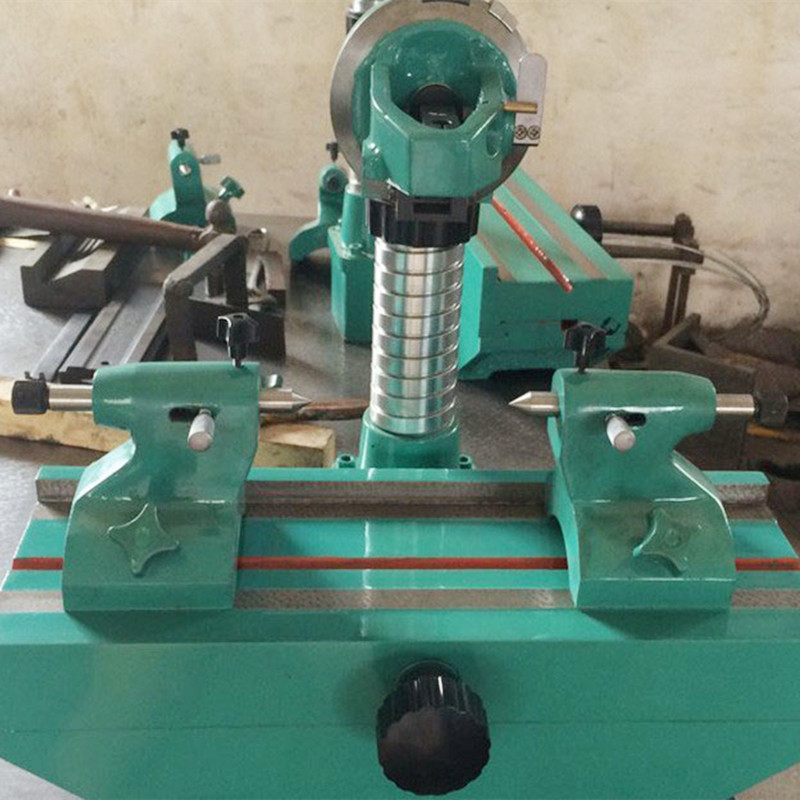
Versatile Metal Angle Ruler for Precision Measurements and Projects
The Versatility of the Metal Angle Ruler in Precision Measurement In the world of craftsmanship, eng
wskazuje mikrometr
Indykatory Mikrometryczne Zastosowanie i Właściwości Indykatory mikrometryczne to precyzyjne narzędz
Water Valve Gate Design Prevents Leakage and Corrosion
In the realm of water management within pipelines, the design of water valve gate is of paramount im
 English